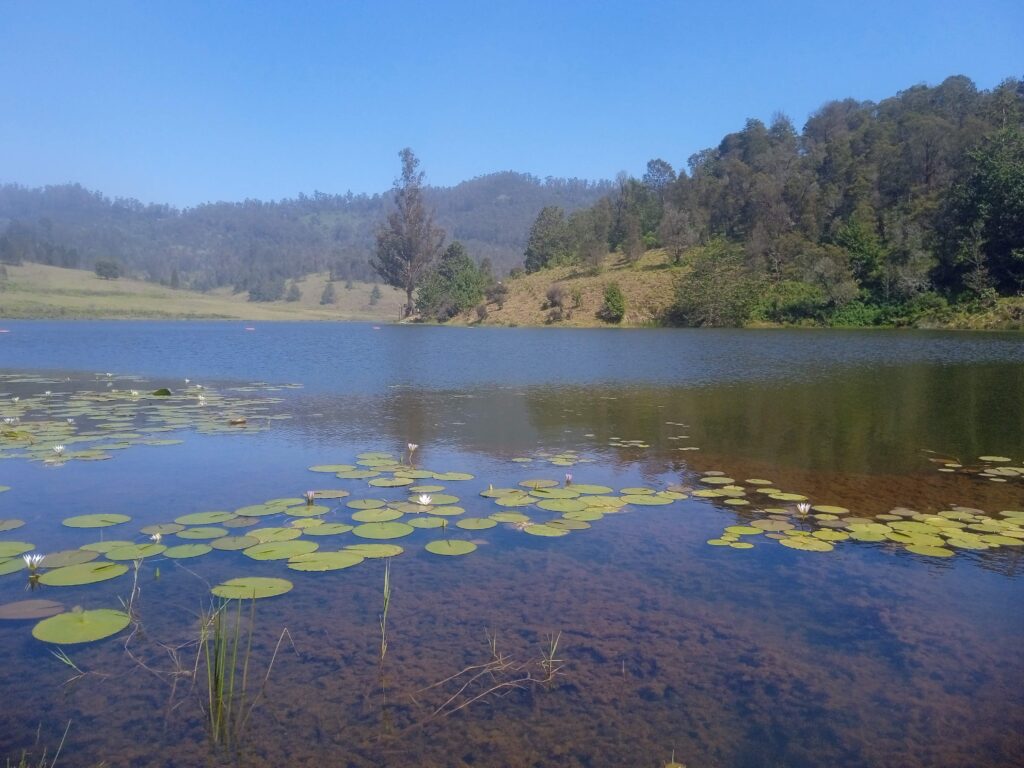
If you’re coming from a place where winter means snowploughs and summer means air conditioning, Kodaikanal’s climate will genuinely surprise you. This hill station in Tamil Nadu, South India, sits at nearly 2,100 meters, and its idea of “cold” and “hot” doesn’t map neatly onto what most US or European travelers expect. Getting the timing right changes your entire trip — misty photos versus washed-out treks, comfortable evenings versus scrambling for a sweater you didn’t pack.
This guide breaks down the best time to visit Kodaikanal specifically for travelers coming from the US, UK, and Europe, with a month-by-month weather rundown, what to pack, and how the seasons compare to what you’re used to back home.

Why Kodaikanal’s Weather Surprises First-Time Foreign Visitors
Most people flying in from Europe or North America assume “South India” automatically means tropical heat. Kodaikanal breaks that assumption. Because it sits high in the Palani Hills, temperatures here rarely climb above 25°C (77°F) even in peak summer, and they can drop close to 5°C (41°F) on winter nights. If you’re only picturing Chennai’s coastal heat, you’ll under-pack for Kodaikanal — bring layers, always.
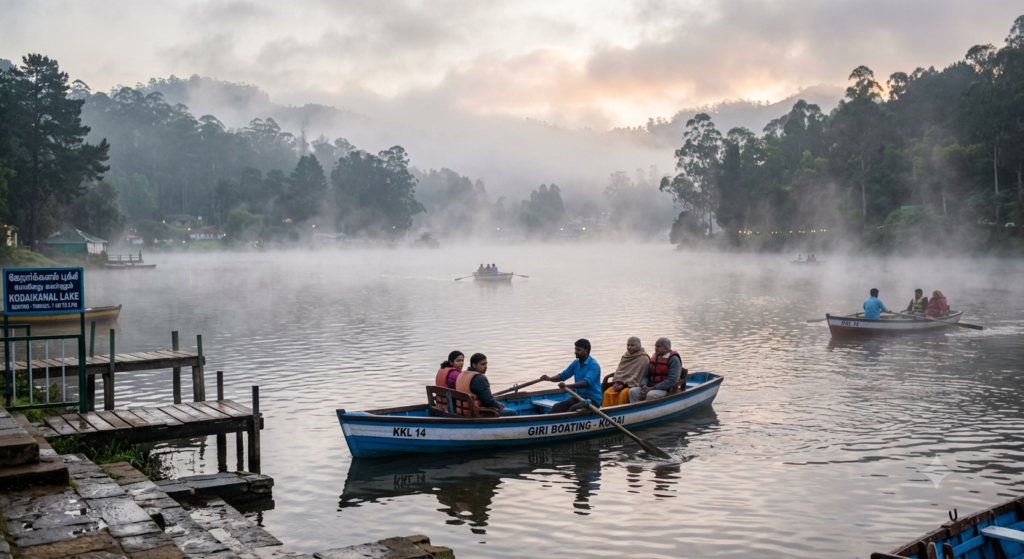
The other surprise is how quickly weather shifts within a single day. Mornings can start with thick fog rolling over Kodaikanal Lake, clear into bright sun by midday, and cool sharply again after sunset. Locals joke that Kodaikanal has “four seasons in one day,” and for travelers used to more predictable climates, that’s worth planning around.
Kodaikanal Weather Month by Month
December to February — Cold, Misty, and Postcard-Pretty
This is peak winter. Daytime temperatures hover around 12–17°C (54–63°F), and nights regularly dip to 5–8°C (41–46°F) — colder than many US/European visitors expect from “India.” Mist is thick, especially at dawn, making it a favorite window for photographers. This is also the busiest season with domestic holiday crowds, so book accommodation well ahead if you’re targeting late December.
March to May — Warm Days, Cool Nights, Peak Season
This is Kodaikanal’s most popular stretch, and for good reason — daytime temperatures sit at a comfortable 20–25°C (68–77°F), skies are mostly clear, and it’s the easiest season for trekking and sightseeing. For a European or American traveler, this feels like a mild, pleasant spring day almost year-round here. Evenings still cool down to around 12–14°C (54–57°F), so a light jacket is still worth packing.
June to September — Monsoon Season
Southwest monsoon rains sweep through, and Kodaikanal turns lush and green. Rainfall is frequent but rarely constant all day — expect short, heavy showers rather than nonstop drizzle. Waterfalls like Silver Cascade Falls and Pallangi Pepper Waterfalls are at their most dramatic during this window. It’s a quieter, cheaper season, but landslide-prone roads can occasionally disrupt travel plans, so build a flexible itinerary if you visit now.
October to November — Post-Monsoon Green Season
The rains taper off, everything is vividly green, and the crowds thin out compared to peak season. Daytime temperatures sit around 16–20°C (61–68°F). This is an underrated window for travelers who want good weather without the December–May crowds, and it’s a strong pick if you’re planning a quieter, more photogenic trip.
Best Season by Where You’re Traveling From
- Coming from a cold European or North American winter? March–May will feel like a gentle, welcome spring — comfortable during the day, crisp at night.
- Used to mild European summers and want similar comfort? October–November offers clear skies and green landscapes without peak-season crowds.
- Chasing dramatic scenery and don’t mind rain? June–September rewards you with waterfalls in full flow and far fewer tourists, but pack for wet, sometimes unpredictable roads.
- Want the classic misty hill-station look for photos? December–February delivers the fog and cold most postcards show — just expect it to be genuinely cold at night, and busier with visitors.
What to Pack Based on Season
- December–February: A proper insulated jacket, thermal layers, gloves, and closed shoes — nights are colder than most first-time visitors expect from India.
- March–May: Light layers — a t-shirt during the day, a fleece or light jacket for evenings.
- June–September: A waterproof jacket, quick-dry clothing, and sturdy waterproof shoes or trekking sandals.
- October–November: A light-to-medium jacket for evenings; days are mild enough for regular layers.
Practical Travel Tips
Best time to visit: March to May and October to November strike the best balance of good weather and manageable crowds for first-time foreign visitors; December to February is best if you specifically want cold, misty conditions.
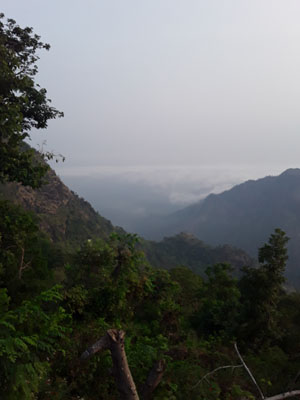
How to reach Kodaikanal: The nearest airport is Madurai (around 120 km away), and the nearest railway station is Kodai Road or Palani, both well connected to major Indian cities. From either point, taxis and buses run regularly up into the hills — the final stretch is a winding ghat road, so plan an extra hour or two if you’re prone to motion sickness.
Local tips: Carry cash for smaller shops and cabs, as card acceptance is inconsistent outside the main town. Network coverage is patchy in some viewpoints and forest areas, so download offline maps in advance. And however warm the day feels, always carry a light jacket — the temperature drop after sunset is faster than most visitors expect.
FAQs
Is Kodaikanal too cold for someone used to a mild European climate? Not usually — daytime temperatures for most of the year sit between 15–25°C (59–77°F), similar to a mild spring or autumn day in much of Europe. December and January nights are the coldest stretch.
What’s the rainiest month to avoid in Kodaikanal? July and August typically see the heaviest rainfall as part of the southwest monsoon.
Can I visit Kodaikanal in summer if I’m trying to escape a hot US/European summer? Yes — April and May are actually peak season precisely because Kodaikanal stays cool and comfortable while the Indian plains swelter, and it’s a similarly pleasant escape if you’re used to hot summers back home.
Do I need a jacket even in the “warm” season? Yes. Even in March–May, evening temperatures drop enough that a light jacket is worth carrying, regardless of how warm the afternoon felt.
Is fog a problem for sightseeing? Fog is heaviest at dawn and can reduce visibility at viewpoints like Coaker’s Walk or Pillar Rocks, but it usually clears by mid-morning, and many photographers plan around it deliberately.
Explore the Madurai to Kodaikanal tour packages
Explore the Madurai Kodaikanal Palani tour packages
Final Thoughts
Kodaikanal doesn’t follow the tropical-India stereotype many US and European travelers expect, and that’s exactly what makes timing your visit worth a little planning. Whether you want misty winter mornings, a comfortable spring-like escape, or the lush drama of monsoon waterfalls, there’s a season here that fits — just pack the right layers for it. Pin this guide before you plan your dates, and check our detailed how-to-reach guide once you’ve picked your month.