
Tucked just 2 km from the Kodaikanal toll gate, Shenbaganur Museum is one of the oldest and most underrated attractions in the hill station. Established in 1895 by the American Madurai Mission and now maintained by Sacred Heart College, this natural history and cultural museum holds over 300 animal species, prehistoric artifacts from the Palani Hills, ancient coins, botanical specimens, and even preserved human foetal specimens from month one to ten. If you’re building your Kodaikanal itinerary and looking for things to do beyond the lake and viewpoints, Shenbaganur Museum deserves a spot on your list — and a few quiet hours of your time.

The History of Shenbaganur Museum
Shenbaganur Museum has a history that stretches back over 130 years, making it one of the oldest natural history museums in South India.
It was founded in 1895 by American missionaries of the Madurai Mission who were stationed in the Palani Hills region. What began as a modest collection of local artifacts grew steadily over the decades into a comprehensive museum covering archaeology, geology, botany, and zoology. Today, Sacred Heart College — which is located on the same campus — manages and maintains the museum.
The name “Shenbaganur” itself refers to the locality on the Kodaikanal hillside where the college and museum are situated. The site also has one of the finest orchid gardens in South India, with hundreds of orchid varieties native to the Western Ghats cultivated on the grounds.
For travellers interested in Kodaikanal’s colonial and natural history, this museum offers a window into the Palani Hills that no viewpoint or lake visit can match.
What to See at Shenbaganur Museum
The exhibits at Shenbaganur Museum are organised into several categories. Here is what you can expect in each section:
Archaeology
The archaeology section features a rich collection of prehistoric and protohistoric artifacts recovered from the Palani Hills and surrounding regions. Stone tools, pottery fragments, and megalithic burial relics give visitors a vivid sense of human life in the Western Ghats thousands of years ago. Ancient funeral urns — the kind once used in villages near Kodaikanal — are among the most striking exhibits in this section.
Zoology
This is the section most visitors remember longest. The zoology wing houses over 300 species of animals displayed through their bones, skulls, skins, and full skeletons. You’ll find specimens of rare reptiles, snakes and their shed skins, insects of every variety, birds of the Palani Hills, and preserved examples of animal foetal development. It is unusual, fascinating, and — for younger visitors especially — deeply educational.
Geology
The geology section showcases the rock formations, fossils, and minerals found specifically in the Palani Hills range. If you’ve ever wondered about the ancient geological history underneath Kodaikanal’s misty hills, this section offers a clear and well-curated answer.
Botany
The botany wing is home to dried and preserved specimens of plant species from the Western Ghats, including several rare and endemic varieties. The museum’s outdoor orchid garden — one of the highlights of the entire campus — is closely connected to this section and is worth a leisurely walk on its own.
Coins and Cultural Artifacts
One of the quieter gems of the museum is its coin collection. Coins from different kingdoms, dynasties, and even foreign trade routes are displayed here, offering a tangible connection to the trade history of South India. Alongside the coins, you’ll find a range of cultural objects that reflect the heritage of Tamil Nadu across different eras.


Shenbaganur Museum Entry Fee
The entry fee at Shenbaganur Museum is very affordable, making it accessible for families, students, and solo travellers alike.
| Visitor Type | Entry Fee |
|---|---|
| Adults | ₹30 |
| Children | ₹10 |
No photography charges are separately listed, but it’s good practice to check with the museum staff on the day of your visit regarding camera use inside the exhibits.

Shenbaganur Museum Timings
Shenbaganur Museum is open every day from 8:30 AM to 6:00 PM.
There are no specific weekly closing days, but it is advisable to avoid visiting during public holidays or festival periods when access may be restricted. Arriving between 9:00 AM and 11:00 AM gives you the most peaceful experience before the day-tour groups arrive.
How to Reach Shenbaganur Museum
Shenbaganur Museum is located approximately 2.1 km from the Kodaikanal toll gate and 4.5 km from Kodaikanal Lake. If you’re arriving from Palani, you’ll pass through the kodaikanal hairpin bends on the ghat road before reaching the museum. It sits on the road leading into Kodaikanal from Batlagundu, so many visitors pass right by it on the way into town.
By Car or Cab: The most convenient way. From Kodaikanal town or your hotel, hire a cab or auto for the short ride. The museum has a spacious parking area that accommodates bikes, cars, and school vans comfortably.
By Walk: If you’re staying near the toll gate area or the lower part of Kodaikanal, it is a walkable distance — roughly 20–25 minutes on foot through scenic hillside roads.
By Auto Rickshaw: Autos are easily available from Kodaikanal bus stand. Share the destination name (“Shenbaganur Sacred Heart College”) and most drivers will know exactly where to go.
If you’ve booked a Kodaikanal cab service, ask your driver to include Shenbaganur Museum as part of your sightseeing circuit — it pairs well with Silver Cascade Falls and the Pillar Rocks viewpoint.
Best Time to Visit Shenbaganur Museum
Shenbaganur Museum can be visited year-round since it is an indoor attraction, making it a particularly good option during Kodaikanal’s monsoon season (July to September) when outdoor sightseeing is less comfortable.
That said, here’s a season-by-season guide:
- April to June (Summer): Peak tourist season in Kodaikanal. The museum is a pleasant cool escape from the crowds at outdoor spots. Visit early in the morning.
- July to September (Monsoon): Fewer tourists, lush green surroundings, and the orchid garden looks spectacular after the rains. Ideal for a relaxed visit.
- October to November (Post-Monsoon): Great weather, clear skies, and the museum is less crowded. Highly recommended.
- December to January (Winter): Cold and misty days in Kodaikanal. The museum is a warm and engaging indoor activity during this period.
Nearby Attractions
Shenbaganur Museum is well-placed on the Kodaikanal circuit. After your visit, consider stopping at these nearby spots:
- Silver Cascade Falls — located just a short drive away on the main Batlagundu–Kodaikanal road. Best visited in the morning before crowds gather.
- Kodaikanal Lake — 4.5 km from the museum. Boating, cycling along the lakeside, and Bryant Park are all close together.
- Pillar Rocks — a short cab ride from the museum. One of Kodaikanal’s most iconic viewpoints.
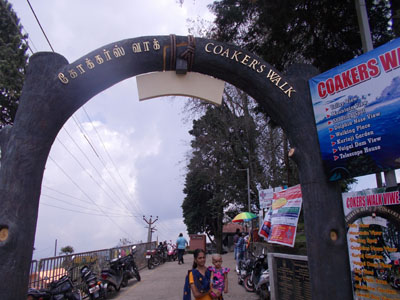
- Coaker’s Walk — a scenic 1 km walking path with valley views, perfect after a museum visit.
Tips Before You Visit
- Carry small change for the entry fee counter — ₹30 and ₹10 notes are ideal.
- The museum is managed by Sacred Heart College, so maintain a quiet, respectful atmosphere inside.
- The orchid garden on the campus is best explored in the morning when flowers are at their freshest.
- Allow at least 45 minutes to 1.5 hours for a thorough visit — rushing through does this museum a disservice.
- The museum is family-friendly and particularly loved by school children. Weekday mornings tend to be quieter than weekends.
Frequently Asked Questions
1. What is the entry fee for Shenbaganur Museum Kodaikanal? The entry fee is ₹30 for adults and ₹10 for children. It is one of the most affordable attractions in Kodaikanal.
2. What are the timings of Shenbaganur Museum? Shenbaganur Museum is open daily from 8:30 AM to 6:00 PM.
3. Who manages Shenbaganur Museum? The museum is maintained by Sacred Heart College, Kodaikanal. It was originally established in 1895 by the American Madurai Mission.
4. Is Shenbaganur Museum worth visiting? Yes, absolutely — especially if you have children, an interest in natural history, or want to explore a side of Kodaikanal beyond the usual viewpoints. The zoology collection, coin exhibits, and orchid garden make it genuinely memorable.
5. How far is Shenbaganur Museum from Kodaikanal Lake? Shenbaganur Museum is approximately 4.5 km from the entrance of Kodaikanal Lake. A cab or auto ride takes around 10–12 minutes.
6. Is photography allowed inside Shenbaganur Museum? Photography is generally permitted in the museum premises. It is best to confirm with museum staff at the ticket counter before you begin your visit.
Conclusion
Shenbaganur Museum is a remarkable destination that offers visitors a genuine insight into the natural and cultural heritage of the Palani Hills. With its wide-ranging exhibits — from prehistoric stone tools to rare orchids to animal skeletons — it rewards curious travellers who take the time to look beyond Kodaikanal’s famous viewpoints. At ₹30 per adult, it is also one of the best-value experiences in the entire hill station.
If you’re planning your Kodaikanal itinerary, make sure to include Shenbaganur Museum for a morning visit. Pair it with Silver Cascade Falls on the way up and Kodaikanal Lake in the afternoon for a well-rounded day of exploration.
Looking for places to stay close to Kodaikanal’s top attractions?
Pingback: About Kodaikanal: Princess of Hill Stations - Kodaikanal Travelogue
Pingback: how many hairpin bends in kodaikanal via palani - Kodaikanal Travelogue