Mist rolling low over Kodaikanal Lake, the air smelling of wet eucalyptus, waterfalls swelling to their loudest roar of the year — monsoon is when Kodaikanal shows its wildest, greenest side. It’s quieter, cooler, and cheaper than peak season, but it also demands a different kind of planning. This Kodaikanal monsoon trip guide covers the best time to visit, which places are worth it (and which to skip when it’s pouring), and exactly what to pack so the rain doesn’t catch you off guard.
If you’ve been wondering whether a Kodaikanal monsoon trip is even a good idea, short answer: yes, if you plan around the weather instead of against it. Here’s how.

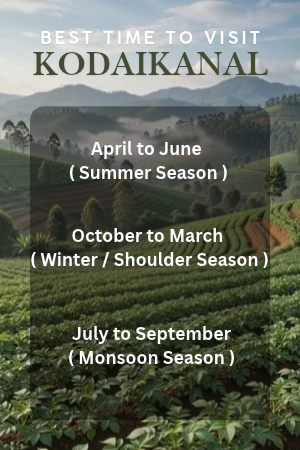
When Is Monsoon Season in Kodaikanal?
Kodaikanal gets two monsoon spells:
- Southwest monsoon (June–September): Steadier rain, cooler days, thick cloud cover. This is the classic “monsoon season” most people mean.
- Northeast monsoon (October–November): Shorter, sharper spells of rain, often mixed with clear, bright mornings — this overlaps with the post-monsoon shoulder season.
July and August tend to see the heaviest, most continuous rainfall, while June and September are a little more moderate with longer dry windows between showers.
Is Kodaikanal Monsoon Trip Worth It?
Three reasons people specifically choose to visit Kodaikanal in monsoon:
- Waterfalls at their fullest — Silver Cascade Falls and Bear Shola Falls carry far more water and are genuinely more dramatic than in summer.
- Thin crowds, better prices — Hotels and homestays often drop rates, and popular viewpoints aren’t jammed with tour buses.
- Green, cinematic landscapes — the Palani Hills turn a deep emerald, and low-hanging clouds drift right through town.
The trade-off: some viewpoints get fogged out completely, a few trekking routes become unsafe, and outdoor plans need built-in flexibility.
Best Places to Visit in Kodaikanal During Monsoon
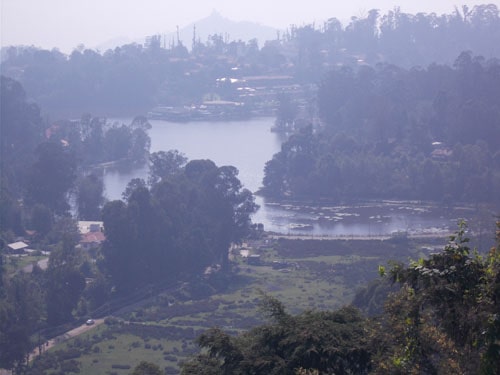
Kodaikanal Lake
Still a great monsoon spot — go early morning for a walk or cycle around the lake before the afternoon showers set in. Boating may pause during heavy rain, so check locally on the day.
Silver Cascade Falls
This is the single best monsoon-season attraction near Kodaikanal. The falls are dramatically fuller than during summer, right off the Kodaikanal–Madurai road. Footing gets slippery near the base, so stay behind the barriers.
Bear Shola Falls
A short, easy walk from town, and monsoon is genuinely the best time to see it — the stream that’s a trickle in summer becomes a proper waterfall.
Bryant Park
A solid rainy-day-friendly stop. It’s compact, mostly under tree cover, and beautiful with rain-washed flower beds even if you’re dodging a light drizzle.
Coaker’s Walk
Worth doing on a morning when the mist hasn’t rolled in yet — visibility across the Kodai valley can be spectacular or zero, so this is very weather-dependent. Check conditions before heading up.
Pillar Rocks & Green Valley View
These are the two spots most likely to be a washout in heavy monsoon — cloud cover frequently blocks the view entirely. Worth visiting only if you have flexible time and can try more than once, or check that morning for clear skies.
Berijam Lake
Skip this one in peak monsoon unless conditions are confirmed good. It requires a permit and a guided/escorted visit, and heavy rain can affect road access into the reserve forest area.
Practical Travel Tips for a Kodaikanal Monsoon Trip
Best time to visit: If you want monsoon scenery with fewer disruptions, aim for late June or September rather than the heavier rain of July–August.
How to reach Kodaikanal: The nearest railway station is Kodai Road (about 80 km away), and the nearest airport is Madurai (around 120 km). Both routes involve winding ghat roads — allow extra travel time in the rain, and avoid night travel on the ghat section during heavy downpours.
Local tips:
- Daytime temperatures during monsoon typically sit in the 15–20°C range, dropping further after sunset.
- Roads can have landslide-prone patches after continuous heavy rain — check local conditions before hill routes.
- Keep at least one full “indoor day” buffer in your itinerary in case of a washout.
- Book homestays or hotels with hot water and heating — monsoon evenings get genuinely cold and damp.
What to Pack for Kodaikanal Monsoon Trip
- Waterproof jacket or poncho (better than an umbrella on windy viewpoints like Coaker’s Walk)
- Compact umbrella as backup for calmer, low-wind days
- Quick-dry trekking shoes or sandals — cotton sneakers stay wet for days
- Extra pairs of socks — pack more than you think you’ll need
- Warm layers (fleece or light sweater) for chilly, damp evenings
- Waterproof bag cover or dry bags to protect electronics and documents
- Ziplock pouches for phone, camera, and wallet on outdoor stops
- Insect repellent — damp weather brings out more mosquitoes
- A change of clothes in your day bag, not just your main luggage
- Power bank in case of weather-related outages in outlying homestays
FAQs
Is it safe to visit Kodaikanal during monsoon? Yes, generally, if you avoid remote trekking trails during heavy downpours and keep an eye on local landslide advisories for ghat road travel.
Which month has the least rain in Kodaikanal monsoon season? June and September usually see comparatively lighter, less continuous rain than the July–August peak.
Can I still trek in Kodaikanal during monsoon? Short, well-marked walks like Bear Shola Falls are fine. Longer or unmarked treks should be avoided or done only with a local guide who knows current trail conditions.
Do hotel prices drop during monsoon in Kodaikanal? Yes — monsoon is off-peak season, so many hotels and homestays offer noticeably lower rates than April–June or December.
What should I avoid doing in Kodaikanal during heavy rain? Skip Pillar Rocks and Green Valley View on days with heavy cloud cover, avoid Berijam Lake visits without confirming access, and postpone long treks until conditions clear.
Final Thoughts
A Kodaikanal monsoon trip rewards travelers who stay flexible — build in buffer days, chase the waterfalls when they’re at their loudest, and skip the fogged-out viewpoints for another morning. Pack right, plan around the rain instead of fighting it, and you’ll get a version of Kodaikanal most peak-season visitors never see. Pin this guide for your next trip!

Share this post on social media: